Reducing sugar consumption: benefits and healthy alternatives

3 minutos de lectura · 22 Mar 2024
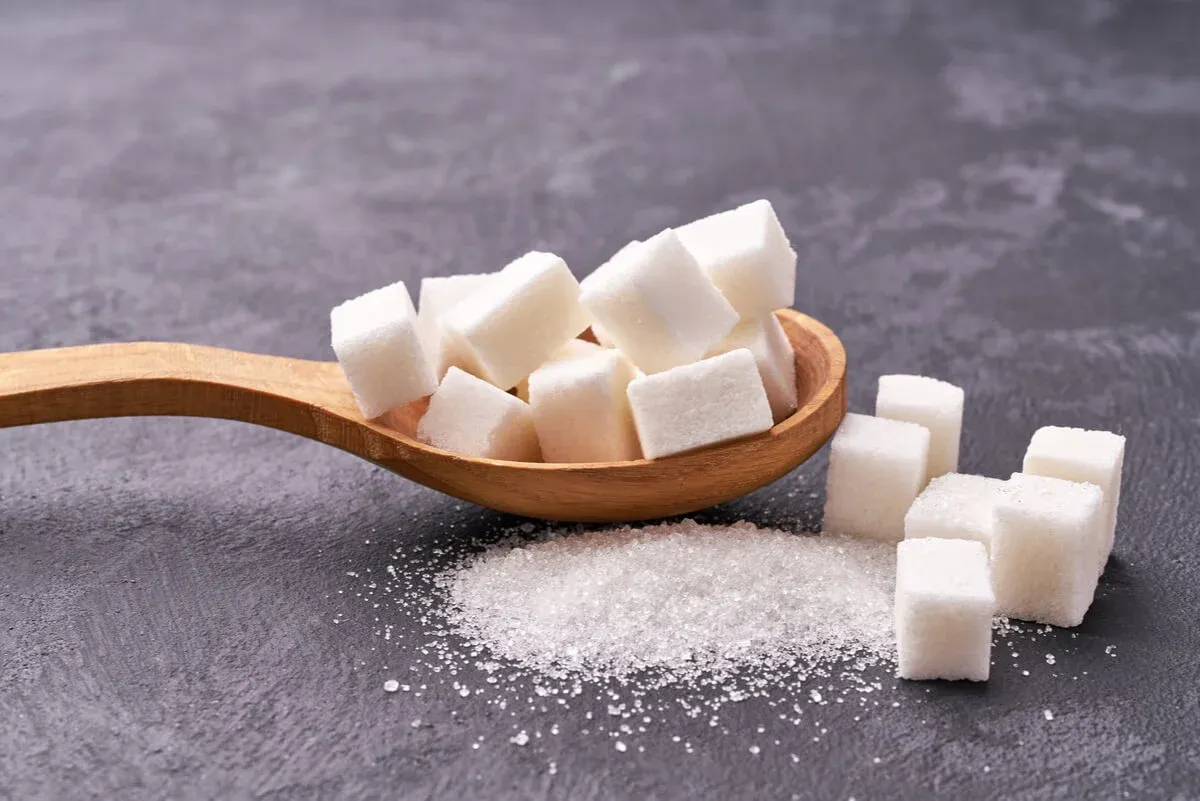
Excessive sugar intake has drawn the attention of important global health organizations, such as the World Health Organization (WHO), which suggests keeping sugar consumption to 10% of our daily caloric intake. They further recommend that a reduction to 5% could maximize the benefits to our health. The European Food Safety Authority (EFSA) agrees and promulgates the message: when it comes to sugar, less is always better.
Debunking sugar myths
There is a myth that added sugar is "necessary" in our diet for the proper functioning of the body. This belief, however, is refuted by nutrition experts, who claim that the natural sugars present in fruits and other foods are more than enough to cover our energy needs.
Immediate effects of sugar consumption
The rapid absorption of these compounds following the consumption of foods with added sugars generates glucose spikes in the blood. This forces the pancreas to release insulin at a faster rate, which can initially translate into hyperglycemia followed by a rapid drop in blood sugar (hypoglycemia), inducing a worsening feeling of tiredness and the need to eat more, even after having recently eaten.
Long-term consequences of sugar on health
In addition, prolonged high sugar intake not only poses risks to our metabolic health, such as an increased risk of cardiovascular disease and type 2 diabetes, but also promotes oxidative stress and chronic inflammation. It leads to significant accumulation of body fat, dental caries and other related problems. As for the skin, it has the ability to negatively affect it, worsening conditions such as acne.
Sugar and acne: a direct connection
Diet plays a key role in the onset and treatment of acne. Excessive sugar consumption can increase insulin secretion and promote sebum production, a key element in the development of acne. Therefore, adopting a diet low in added sugars and low glycemic index foods is presented as an effective strategy, although it must be adapted to the multifactorial complexity of acne.
Deciphering the names of sugar
Sugar hides under numerous synonyms on product labels, such as white and brown sugars, coconut sugar, agave syrup, dextrose, dextrin, maltodextrin, among others. Recognizing these synonyms is essential to make conscious choices and avoid unwanted consumption of added sugars.
Natural alternatives to sugar
For those who want to satisfy their sweet craving in a healthy way, there are several natural options that, in addition to sweetening, provide additional nutrients and benefits. Alternatives such as fruits, pumpkin, sweet potato, pure cocoa, grated coconut and spices such as Ceylon Cinnamon can sweeten our diet without the harmful effects of added sugar.
Re-education of the palate: a journey to authentic flavors
A preference for sweetness, whether sugars or sweeteners, can alter our perception of the natural flavors of foods. Learning to appreciate the sweetness inherent in unprocessed foods is an essential step towards a more balanced and healthy diet.
By adopting a mindful diet, reducing sugar consumption and exploring natural alternatives, we not only benefit our health in the short and long term, but also rediscover the pleasure of authentic flavors. Moderation and choosing healthier options nourishes our bodies and enriches our culinary experience.
¡Descubre miles de recetas saludables gratis en la App!
Descarga MyRealFood Gratis 🚀