All about vegetarian diet

4 minutos de lectura · 17 May 2024
Are you considering adopting a vegetarian diet but worried about whether it will be nutritionally complete? Or perhaps you've been told that protein is difficult to obtain on a meat- and fish-free diet? In this article, we'll explore the vegetarian diet in depth, debunking common myths and offering advice backed by scientific evidence to ensure your diet is healthy and balanced.
What is vegetarianism?
To begin, it's important to clarify that vegetarianism and veganism are not the same. While in a vegetarian diet you can consume dairy and/or egg products or eggs, in a vegan diet you do not consume any animal products.
Nutrients in a vegetarian diet
Contrary to popular belief, a well-planned vegetarian diet can provide all the nutrients necessary to maintain good health at all stages of life. The American Dietetic Association supports this claim, concluding that a properly planned vegetarian diet is healthy and suitable for all ages.
However, there is one important exception: vitamin B12. This vitamin is essential for functions such as the formation of red blood cells and the maintenance of the nervous system, and is found primarily in animal products. It is therefore crucial to supplement it in a vegetarian diet to avoid deficiencies. Fortunately, vitamin B12 supplementation is safe and easy to incorporate into your routine.
Protein in the vegetarian diet
Another common myth is that vegetarian diets lack protein. There are numerous plant-based sources of protein that can meet your protein needs, such as legumes, tofu, tempeh, seitan, textured soybeans and a variety of plant-based products that mimic the texture and taste of meat, many of which are considered good processed products. In addition, if you include dairy and eggs in your diet, these are also excellent sources of protein.
Iron and omega 3
As mentioned above, vitamin B12 is crucial in the vegetarian diet, but what about other nutrients, such as iron? There is a tendency to think that there may be anemia in a vegetarian diet due to a lack of heme iron (present in meat), but scientific evidence suggests that there is no higher prevalence of anemia in people who follow a vegetarian diet compared to those who eat meat.
To maximize the absorption of vegetable iron, it is advisable to combine sources of iron with foods rich in vitamin C, such as peppers, citrus fruits and kiwi, and to avoid consuming coffee, tea and dark chocolate close to meals, as they can hinder iron absorption.
Omega-3 is another important nutrient that is often associated with fish, but can also be easily obtained in a vegetarian diet. Walnuts, flaxseed oil and chia seeds are excellent sources of plant-based omega-3s and can easily be incorporated into your daily diet.
Benefits of a vegetarian diet
In addition to being a healthy and balanced choice, vegetarian eating offers a number of additional benefits, such as an increased intake of fiber, vitamins, minerals and antioxidants, as well as reduced risk of certain non-communicable diseases. In addition, opting for a vegetarian diet can also be a more environmentally sustainable choice.
Flexibility first and foremost
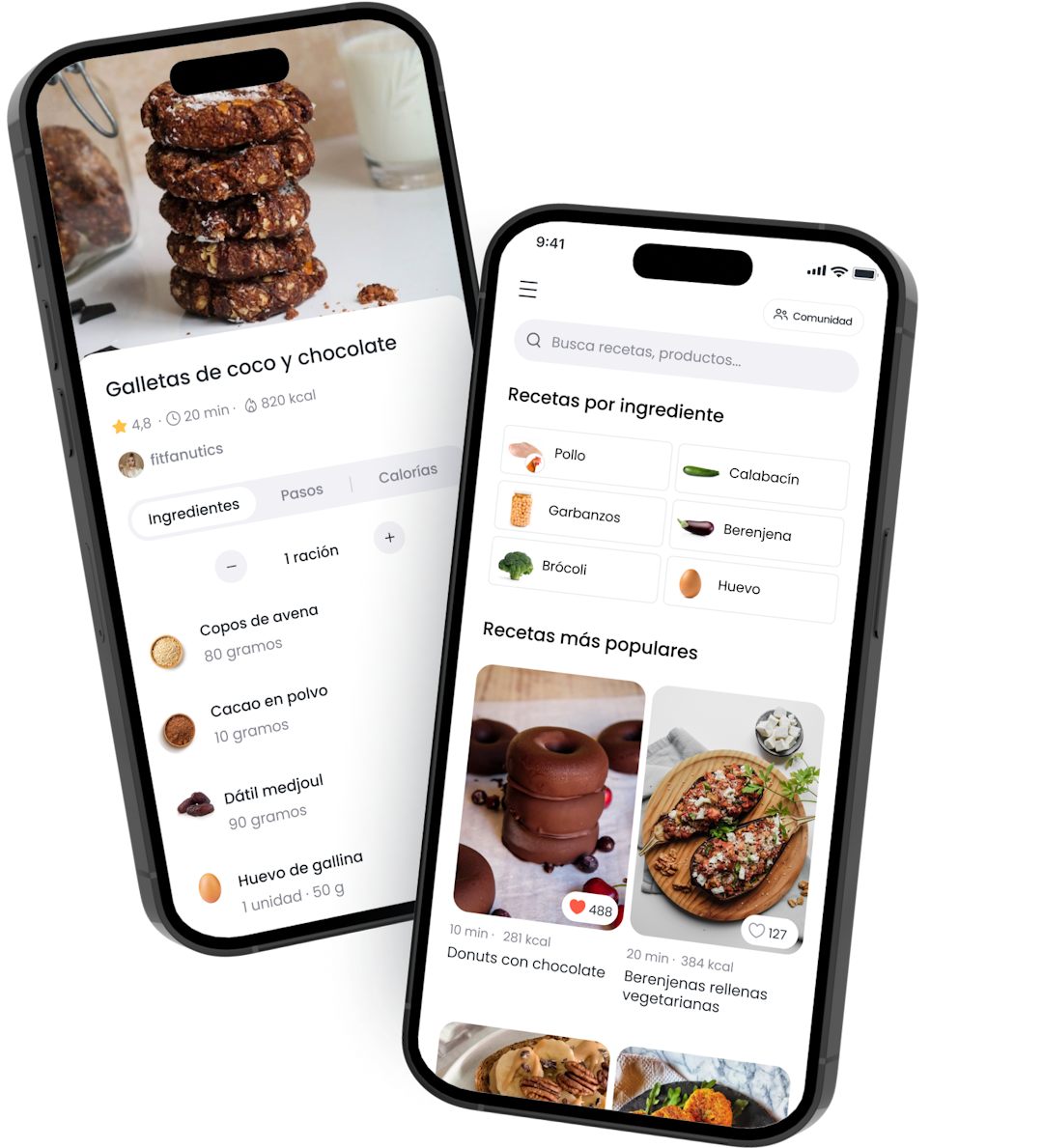
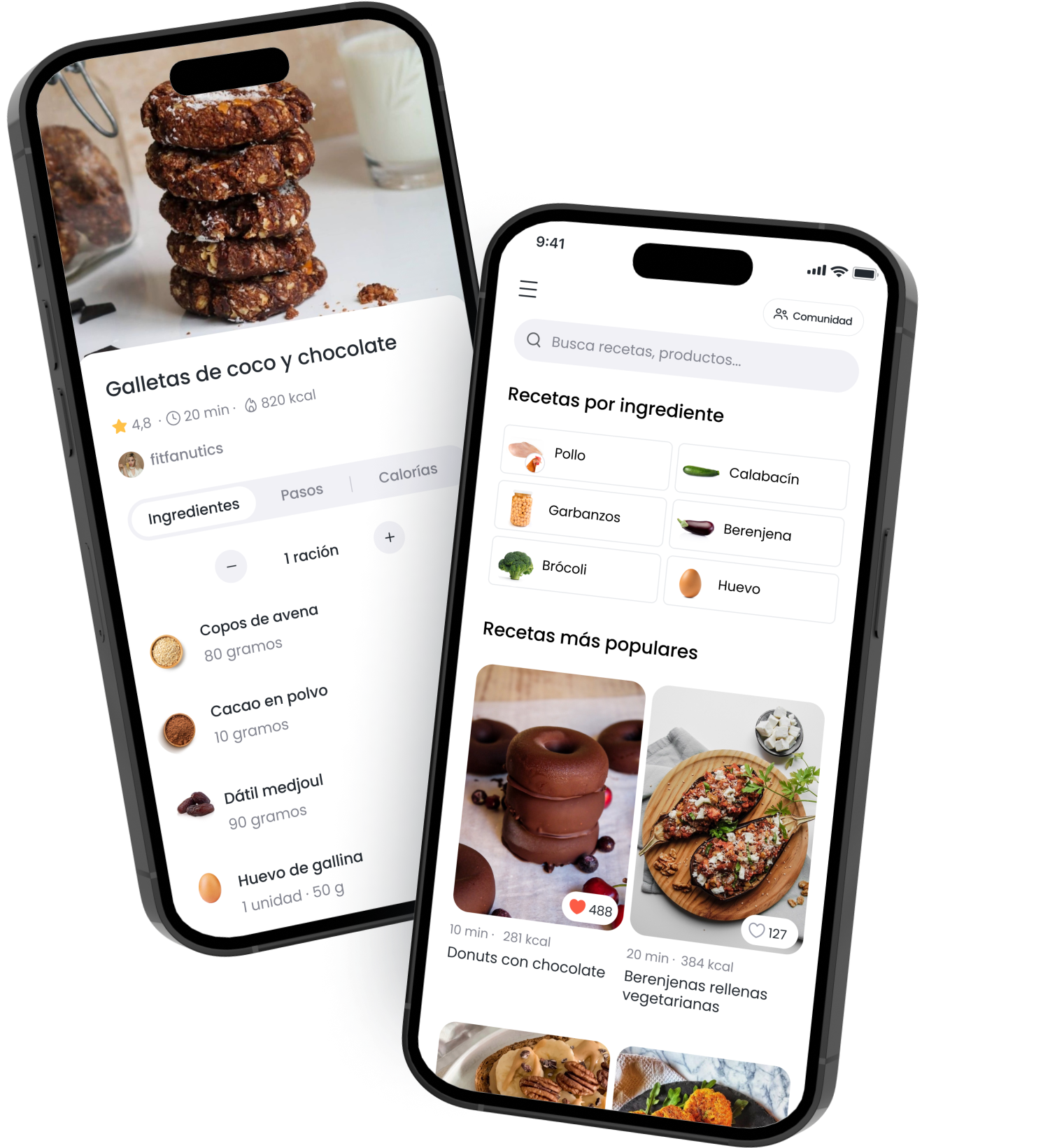
It is important to remember that the most important thing is to adapt your diet to your tastes, ethical values and what makes you happy. If you're considering reducing your meat consumption or trying vegetarian eating, go for it! In MyRealFood app you will find a wide variety of free vegetarian and vegan recipes to inspire you and help you in your healthier and more sustainable eating.
In short, a well-planned vegetarian diet can provide all the nutrients needed to maintain optimal health, from protein to vitamins and minerals. With a little knowledge and planning, you can enjoy the many benefits of a plant-based diet while taking care of your health and the environment.
¡Descubre miles de recetas saludables gratis en la App!
Descarga MyRealFood Gratis 🚀