Cravings and bloating before the menstrual period: premenstrual syndrome

4 minutos de lectura · 12 Apr 2024
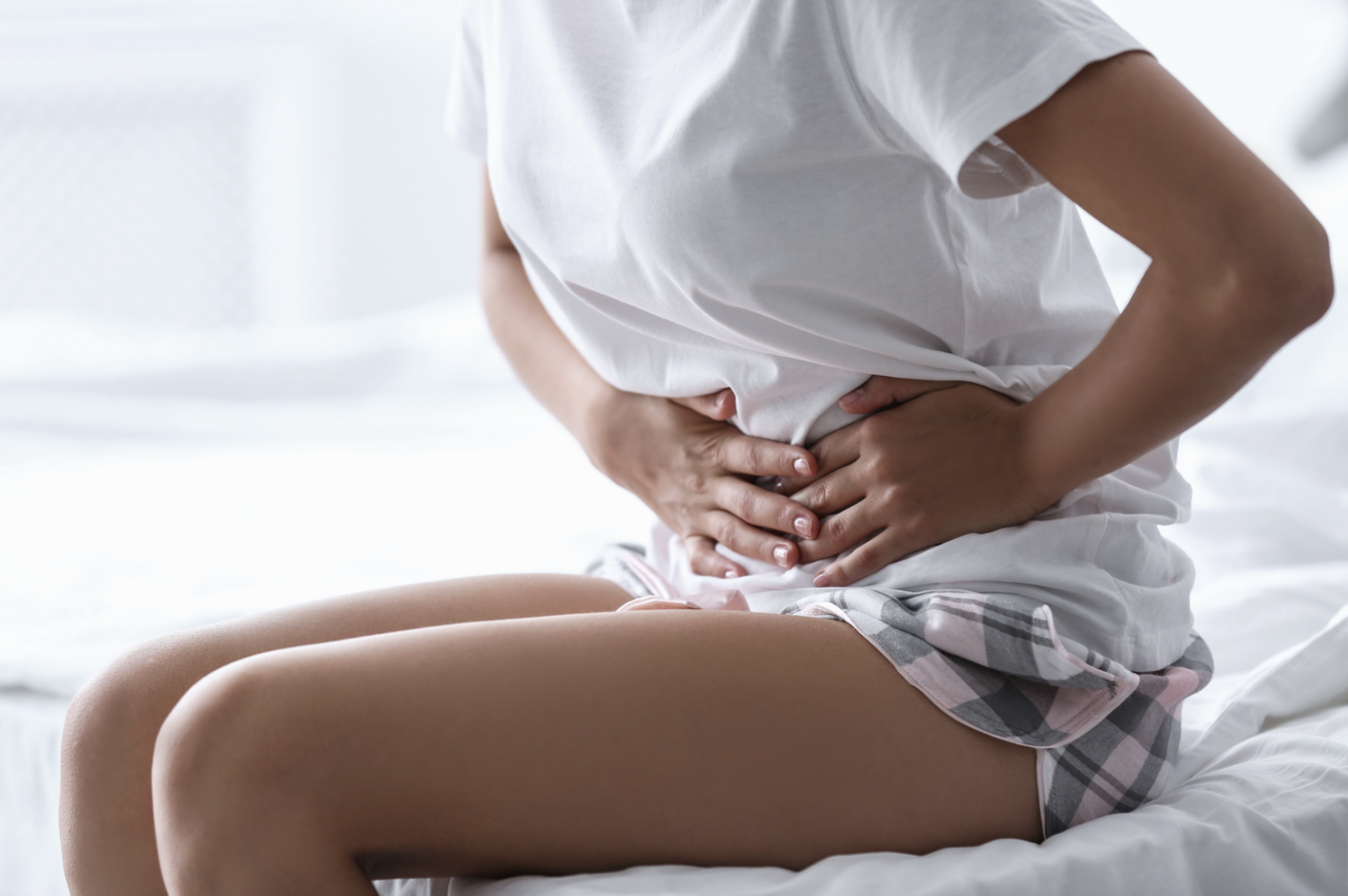
Premenstrual Syndrome (PMS) is a common condition that affects many women around the world. In this article, we will explore in depth what PMS is, its symptoms, possible causes and effective strategies to manage it.
What is Premenstrual Syndrome (PMS)?
PMS is a set of physical and emotional symptoms that can arise in the luteal phase of the menstrual cycle, approximately two weeks before the onset of the menstrual period. These symptoms can vary in severity and may include anxiety, irritability, mood swings, cravings and cravings for sweets, abdominal bloating and breast discomfort.
Causes of PMS
Although the exact cause of PMS is not fully understood, it is believed to be related to hormonal fluctuations during the menstrual cycle, particularly changes in estrogen and progesterone levels. In addition, factors such as stress, lack of exercise and an unhealthy diet may contribute to the severity of PMS symptoms.
Premenstrual cravings
Cravings during the pre-menstrual phase are primarily due to the hormonal changes discussed above. Hormonal changes may contribute to a decrease in serotonin, which plays an important role in regulating mood and happiness. Low serotonin levels may increase cravings and trigger cravings for foods rich in carbohydrates, fats and sugars, seeking momentary pleasure in such ultra-palatable foods.

One of the most frequently asked questions is how to manage the onset of premenstrual cravings. Maintaining an active lifestyle, proper hydration and preparing healthy snacks, such as a bowl of yogurt with fruit and 85% chocolate, can help maintain an adequate level of satiety and reduce cravings for ultra-processed foods.
Addressing PMS
Fortunately, there are several effective strategies that can help reduce PMS symptoms and improve women's quality of life during this period:
1. Healthy Eating: Prioritizing a diet rich in fruits, vegetables, quality carbohydrates and lean protein can help keep blood sugar levels stable and reduce inflammation associated with PMS. Reducing consumption of ultra-processed foods, refined sugars and unhealthy fats is also critical.
2. Exercise: regular physical activity, including both cardiovascular and strength training, can help reduce stress and improve mood during the menstrual cycle.
Stress management: Keeping stress at bay is critical to avoid promoting an inflammatory state. Practices such as meditation, yoga and deep breathing can help reduce stress levels and improve the body's response to the hormonal changes associated with PMS. Finding activities that relax us, such as taking a walk, being in contact with nature, enjoying some reading time, etc. is fundamental.
4. Adequate rest: maintaining a regular sleep routine and getting enough sleep can decrease feelings of fatigue and contribute to a better mood during PMS. It is essential to leave the screens one or two hours before bedtime in order to have a restful sleep.
5. Supplementation: Some supplements, such as omega-3 and magnesium, can help reduce inflammation and relieve PMS symptoms. It is important to talk to a health care professional before beginning any supplementation regimen.
Seek medical and nutritional help
If PMS symptoms are severe and significantly affect quality of life, it is important to seek medical and nutritional help. Don't forget to go for your annual gynecological check-ups to make sure everything is okay. MyRealFood's Nutritional Plan is based on anti-inflammatory nutrition that will help you manage PMS and improve your quality of life.
¡Descubre miles de recetas saludables gratis en la App!
Descarga MyRealFood Gratis 🚀