Resistant starch

5 minutos de lectura · 24 May 2024
Have you heard about prebiotic potato and resistant starch? Surely you have! And if not, I am here to explain it to you or to solve your doubts. You will have heard many times about the importance of fiber for intestinal health, good digestion and well, for the health of the body in general. Well, the resistant starch is a fiber a little bit special that is created in certain circumstances in some foods. Since this fiber has very interesting characteristics, I will explain below where to find it so you can benefit from it.
What is resistant starch?
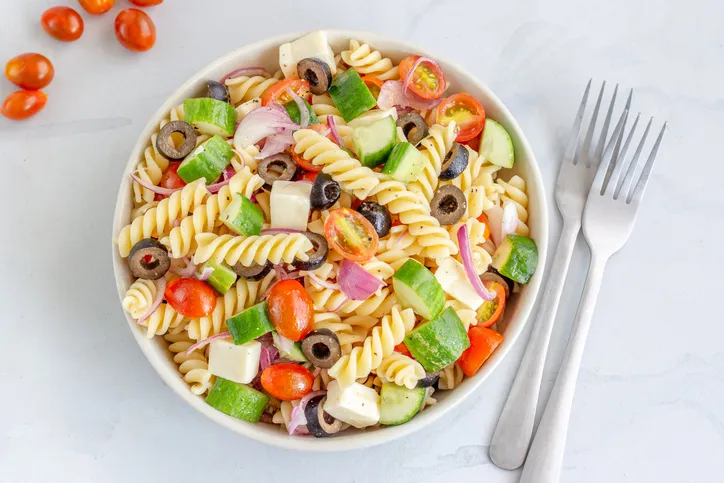
Resistant starch is a special form of dietary fiber that forms when certain starchy foods, such as potatoes, rice or pasta, are cooked and then cooled. During this process, some of the starch changes its structure, becoming resistant to digestion by your intestinal enzymes. As a result, this "resistant" starch reaches the colon intact, where it becomes food for our gut microbiota, helping to maintain a healthy balance in your gut.
Benefits of resistant starch
Promotes gut health:** Acting as a prebiotic, resistant starch feeds the beneficial bacteria in your gut, which helps maintain a healthy, balanced microbiome.
Blood sugar control:** By lowering the glycemic index of foods, resistant starch helps regulate blood sugar levels, which is especially beneficial for people with diabetes, sugar metabolism problems or those seeking body recomposition.
Cholesterol reduction:** It has been shown that regular consumption of resistant starch can help reduce total blood cholesterol levels, which in turn lowers the risk of cardiovascular disease.
Promotes satiety:** Thanks to its ability to slow digestion and promote satiety, resistant starch can be an invaluable ally in efforts to lose weight or keep it off.
Sources of resistant starch
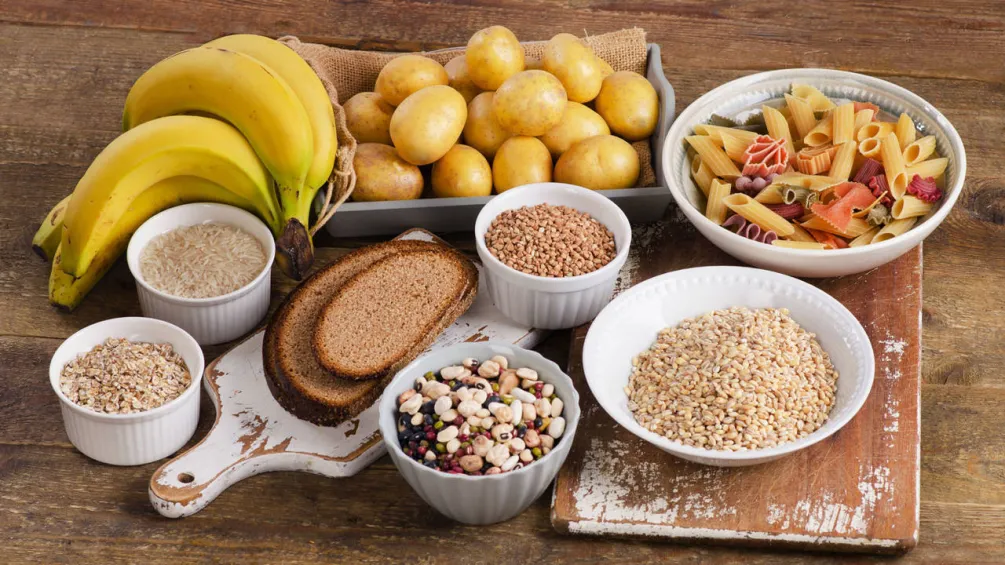
Resistant starch can be found in foods such as root vegetables, whole grains, rice, pasta, legumes, and certain fruits such as plantains or unripe bananas. To obtain resistant starch, simply cook some of these foods, let them cool and then refrigerate them. Once done, the food does not need to be consumed cold, it can be reheated to about 130ºC without losing the resistant starch.
Conclusion
Resistant starch is more than just fiber; it is a very interesting component of a balanced and healthy diet. By including sources of resistant starch in your daily diet, you can benefit from its positive effects on gut health, blood sugar control, lowering cholesterol and promoting satiety. So the next time you cook your favorite starchy foods, don't forget to cool them down to get the most out of this powerful component!
If you want to introduce resistant starch into your diet, you can get inspired by one of the many, many recipes you can find here by simply searching for the name of the ingredient you want to use.
¡Descubre miles de recetas saludables gratis en la App!
Descarga MyRealFood Gratis 🚀