Why the menstrual cycle is important for general and reproductive health

4 minutos de lectura · 21 Mar 2024
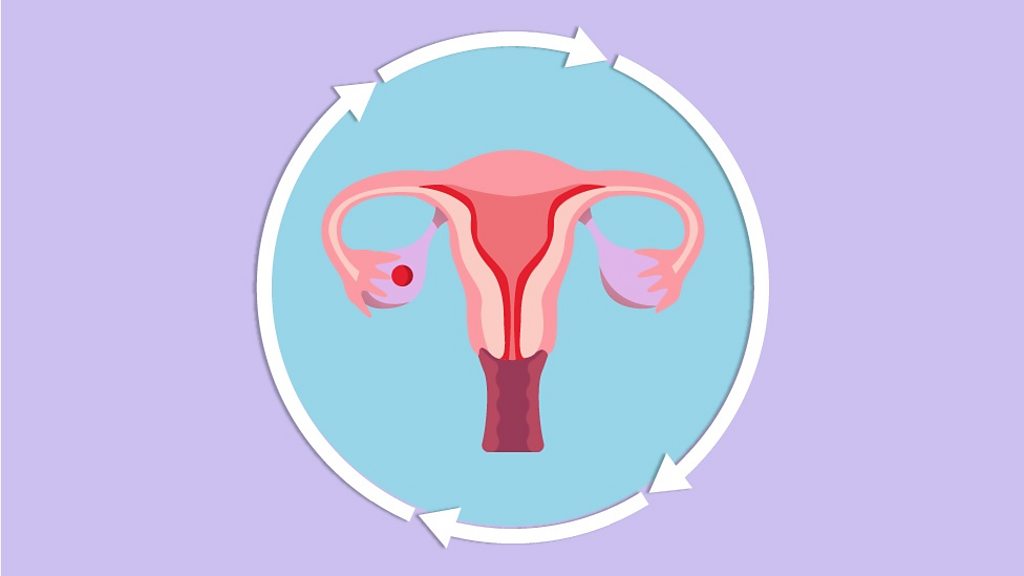
The menstrual cycle is more than just a biological period; it is a key indicator of a woman's reproductive and overall health. Understanding how it works not only allows us to better understand our bodies, but also to identify possible warning signs when something is not going as it should.
The importance of the menstrual cycle
The menstrual cycle is a complex process that prepares a woman's body for the possibility of pregnancy each month. It is essential to consider it as a vital sign, just like blood pressure or heart rate, as it offers crucial clues about a woman's physical and hormonal well-being.
Warning signs
The absence of menstruation (amenorrhea) or irregular cycles can be indicative of underlying problems. These irregularities could signal anything from stress or dietary changes to more serious conditions such as hormonal disorders or reproductive problems. Therefore, it is crucial to be aware of these signs and seek medical advice if they occur.
Length and phases of the menstrual cycle
A healthy menstrual cycle varies between 24 to 35 days, with 28 being the average. It is divided into two main phases: the follicular phase (day 1 to 14) and the luteal phase (day 14 to 28), with ovulation marking the midpoint. Each phase has distinct characteristics and hormonal effects that influence the woman's physical and emotional well-being.
Follicular phase
During this phase, estrogen and FSH hormone levels increase, which stimulates the development of the ovarian follicle. Around day 14, estrogen peaks, facilitating ovulation. This stage is usually accompanied by increased energy and increased insulin sensitivity.
Luteal phase
After ovulation, the follicle transforms into the corpus luteum, producing progesterone to prepare the endometrium for a possible pregnancy. If fertilization does not occur, progesterone and estrogen levels decrease, triggering menstruation. This phase can lead to cravings for sweet foods, mood swings, and difficulty sleeping due to insulin resistance and decreased serotonin.

Indicators of a healthy menstrual cycle
To determine the health of the menstrual cycle, several factors should be considered, such as the absence of disabling pain, a cycle length within normal ranges (24-35 days), a bleeding volume of approximately 60-80 ml, and a menstrual duration of 3-7 days.
What to eat during menstruation?
Nutrition plays a crucial role in the regulation and experience of the menstrual cycle. During menstruation, it is recommended to boost consumption of iron-rich foods, maintain adequate hydration and include sources of omega-3 and anti-inflammatory spices. In the follicular phase, it is beneficial to support follicle nutrition with zinc, omega 3 and nitric oxide, in addition to taking care of intestinal health. In the luteal phase, it is suggested to establish regular meal times and opt for foods that help satisfy cravings in a healthy way and promote good rest.
It is vital to avoid alcohol and ultra-processed foods, as they can exacerbate inflammation and alter hormonal metabolism.
What to do in case of alterations in the cycle?
In the event of any irregularity in the menstrual cycle, it is essential to consult a gynecologist. Collaboration with a nutritionist can also be beneficial in adapting the diet to support hormonal health.
Do not forget to complement proper nutrition with regular physical activity, sufficient rest and stress management to promote a healthy menstrual cycle.
This holistic approach not only improves menstrual health, but also contributes to overall wellness, allowing us to live fuller, healthier lives.
¡Descubre miles de recetas saludables gratis en la App!
Descarga MyRealFood Gratis 🚀