All about body weight and why you shouldn't weigh yourself every day

3 minutos de lectura · 24 May 2024
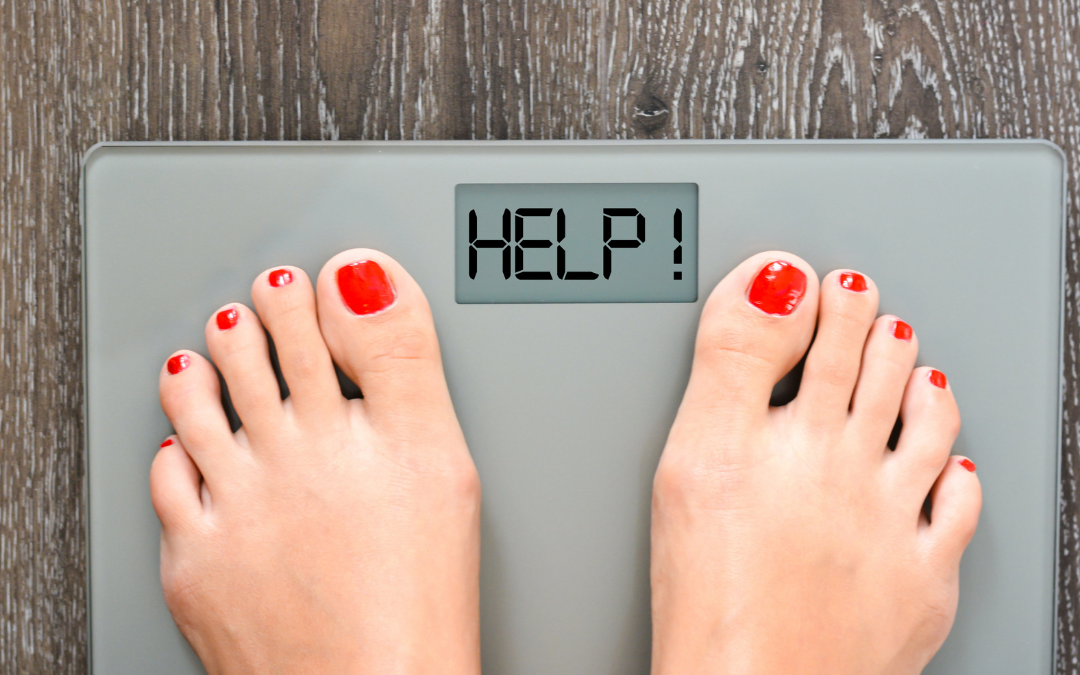
Have you ever felt uncomfortable stepping on the scale? Today we tell you what weight really is and why you don't need to weigh yourself to monitor your progress toward a healthier lifestyle.
It's common to associate weight loss with dieting success, but weight is not a reliable indicator. It depends on numerous factors, and can vary by as much as 2 kg in a single day.
Components of body weight
Body weight is the sum of several components: muscle, fat, water, bones, organs, waste substances, and undigested food remains. There are some factors that influence these fluctuations:
Eating and fasting: In the morning we weigh less than at the end of the day.
Hydration status: The amount of water consumed influences weight.
Hormonal fluctuation: Especially in women, weight may vary according to the phase of the menstrual cycle due to fluid retention and physiological swelling.
**After exercise, weight may be lower due to dehydration.
Other factors: Swelling, fluid retention, and medication.
Diets with large caloric deficits can result in loss of muscle mass, which slows metabolism. It is crucial to focus on preserving and increasing muscle mass for healthy fat loss.
Let's talk about muscle and fat.
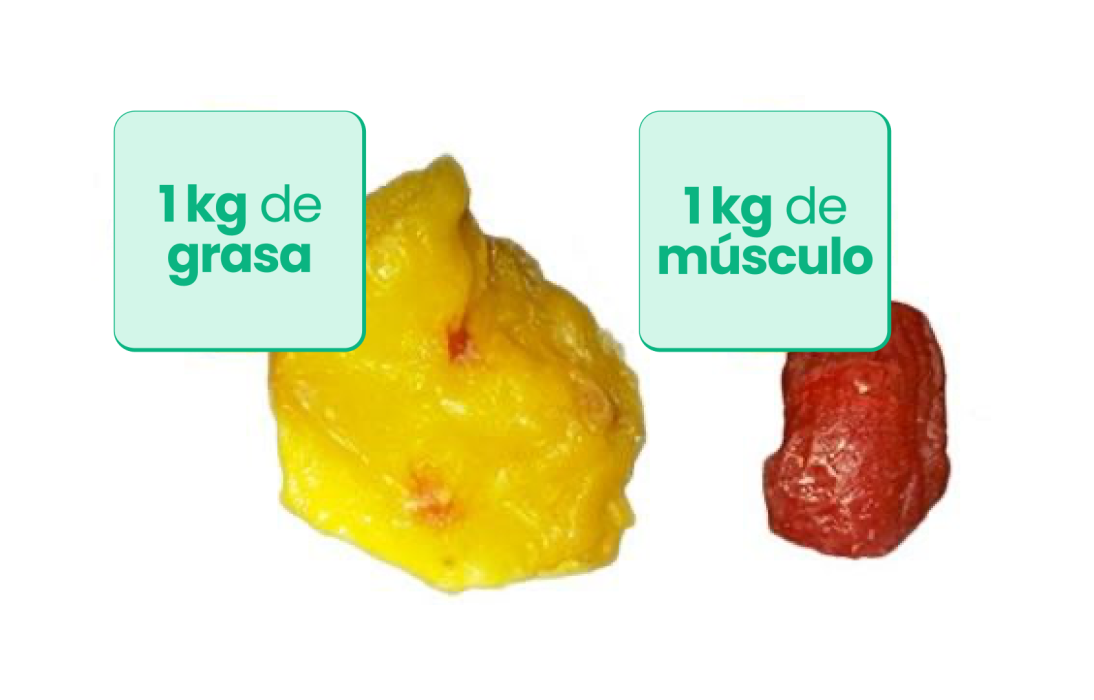
Muscle is denser than fat, so it weighs more but takes up less space. Increasing muscle mass may cause you to weigh more, but you will improve your body composition, health and look better aesthetically.
To understand it better, take a look at this image:
Measure your progress without the scale
Weight is not a 100% reliable indicator for assessing fat loss. Here are other ways to measure your progress:
Photos: take front and profile photos of yourself at the same time, in the same clothes, and in the same place.
Body measurements: use a tape measure to measure your abdominal circumference at your belly button.
Clothing fit: Observe if your clothes fit looser.
Energy level: note if you have more energy and get less tired.
Training performance: assess whether you train harder.
Improved blood tests: monitor your health through your medical results.
Less anxiety: check if your relationship with food improves.
Better digestion: notice less bloating and heaviness.
Reduced consumption of alcohol and ultra-processed foods: reserve them for occasional occasions.
Enjoy eating healthy: base your diet on vegetables, whole grains, fruits, legumes, nuts and quality proteins.
If you decide to keep weighing yourself...
If you prefer to continue using the scale, remember that it is just another indicator. Here are some tips on how to do it correctly:
Always use the same scale: Different scales may vary slightly.
Weigh yourself one day a week: The same day every week.
Weigh yourself under the same conditions: In the morning, on an empty stomach, after going to the bathroom, in underwear or naked.
Compare month to month: To evaluate long-term changes.
Take note
Don't obsess about the scale. Use the variety of indicators to evaluate your progress that we have discussed and maintain a holistic approach to your health and wellness. Remember, enjoy the process of improving your lifestyle and diet, don't just focus on the goal.
¡Descubre miles de recetas saludables gratis en la App!
Descarga MyRealFood Gratis 🚀