Is intermittent fasting good for weight loss?

4 minutos de lectura · 09 May 2024
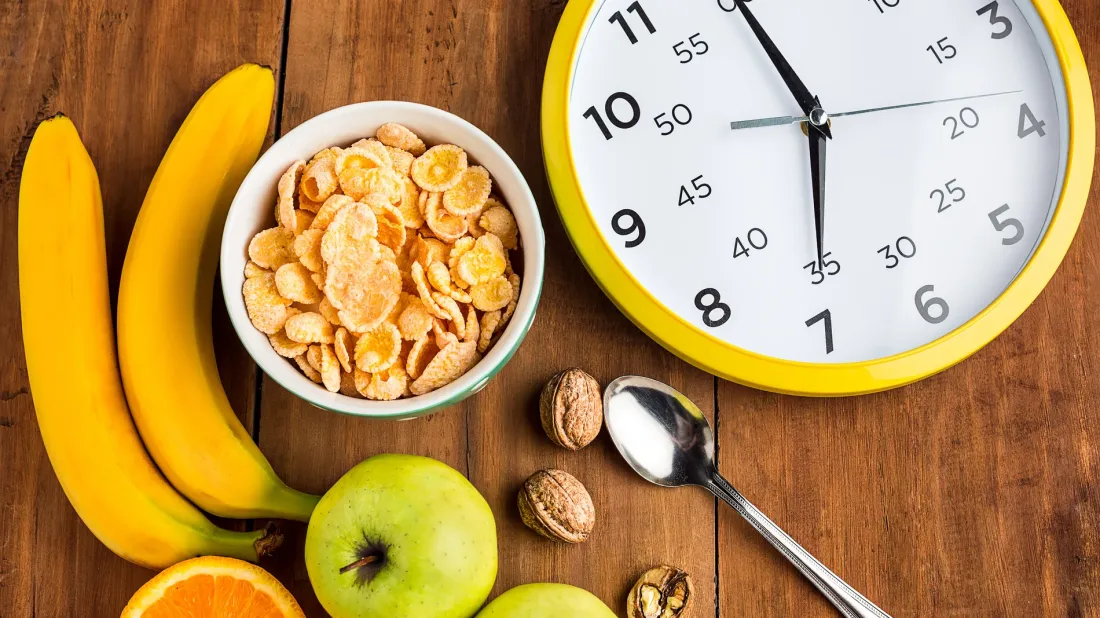
It seems that intermittent fasting has emerged as a tool that promises to improve health and wellness, as well as weight loss. In this article we will understand what intermittent fasting is, explore the different methods of practicing fasting, and delve into its potential science-backed benefits.
What is intermittent fasting?
Intermittent fasting is a way of organizing meals that involves alternating between periods of fasting, where we eat no food, and periods of eating. Contrary to popular belief, it is not simply a matter of skipping meals at random, but following a structured plan that suits your individual needs and lifestyle.
Types of intermittent fasting
**12/12 fasting is the simplest form of fasting, where the fasting window is 12 hours and the eating window is the remaining 12 hours of the day. In order to put it into practice, it is enough to lengthen a little the night fasting by having breakfast later.
**14/10 fasting: in this case the fasting window is 14 hours and the eating window is 10 hours. An example that corresponds to this fasting mode would be to have dinner at 9 p.m. and breakfast at 11 a.m. the following day.
**In this type of fasting, the window without food intake is 16 hours, longer than in the previous modalities. The feeding window will be 8 hours. An example could be to have dinner the day before at 21h and eat the next day at 13h. Another option would be to have the last meal at 18h and the first meal of the day at 10h. It is important to ensure that all energy and nutritional needs are covered in the feeding window, even if it is reduced.
What can be taken during fasting?
It is essential to stay hydrated during fasting. You can drink water, tea, coffee without sugar, or herbal teas. It is recommended to avoid foods or beverages containing calories, as this can break the fasting state. However, you could drink coffee with 1 dessert spoon of coconut oil or 50 ml of whole milk.
Does fasting work for fat loss?
Intermittent fasting is not a diet, but an eating pattern that you can adopt whatever your goal is (fat loss, muscle gain or maintenance). It may be effective for fat loss but fasting does not imply fat loss. Remember that to improve body composition a caloric deficit is necessary, whether fasting is done or not.
Important considerations
Intermittent fasting is not suitable for everyone. It is not recommended for those with eating disorders, people with a poor relationship with food, individuals with high energy requirements, children, adolescents, pregnant or lactating women, people with glycemia or hypoglycemia problems.
Exploring the potential benefits
Although human research is limited, several potential benefits of intermittent fasting have been suggested, including stimulation of autophagy, reduction of inflammation and oxidative stress, and improvement of lipid metabolism. However, more research is needed to confirm these effects in humans.
Should I do intermittent fasting?
The decision to incorporate intermittent fasting into your lifestyle depends on your health and wellness goals, as well as how you feel about practicing it. If you are interested in trying it, consider starting with a simpler method, such as 12/12 fasting, and see how your body responds. If you feel any discomfort, this method will not be for you.
In summary, intermittent fasting can be an effective tool for improving health and facilitating weight management, but it is important to approach it with knowledge and caution. Always consult with a healthcare professional before making significant changes to your diet or lifestyle, and listen to your body's needs in the process.
¡Descubre miles de recetas saludables gratis en la App!
Descarga MyRealFood Gratis 🚀