Banana for weight loss, gluten and inflammation, eggs and cholesterol.

3 minutos de lectura · 21 Jun 2024
Nowadays, there is an excess of information on the internet and social networks. It is not strange that great myths about nutrition and health circulate. For this reason, based on scientific evidence, we are going to address certain topics that are often of concern to the general population.
Is gluten inflammatory?
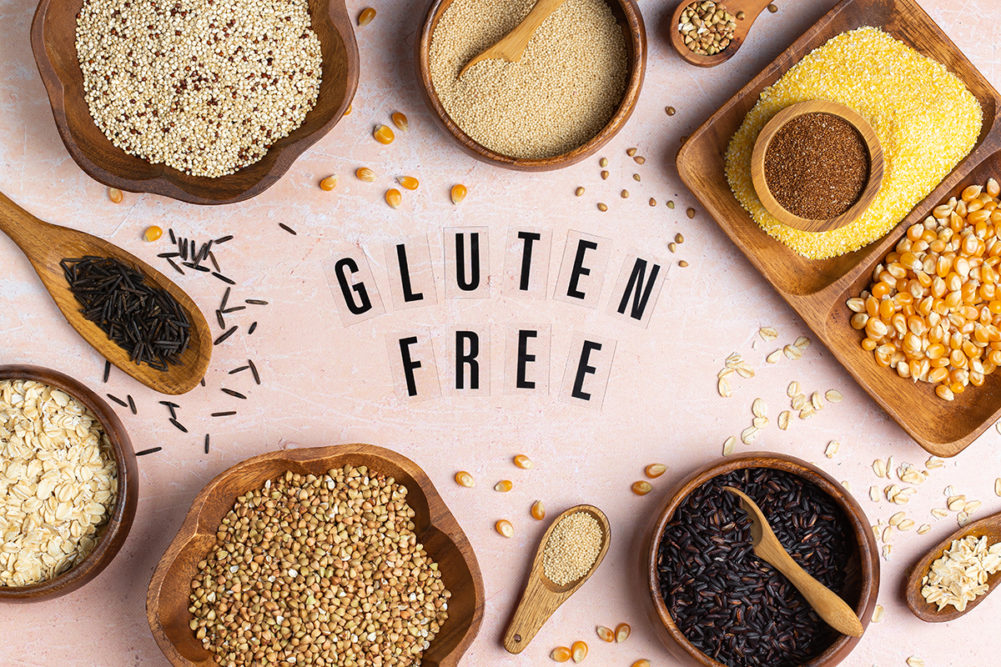
The belief that gluten is harmful and should be avoided has become popular in recent years, in part due to the promotion of gluten-free diets as solutions for inflammation and weight loss. However, it is crucial to understand what gluten is and who it can actually affect.
Gluten is a protein present in grains such as wheat, barley and rye. For most people, gluten is not harmful and can be part of a healthy, balanced diet. Scientific studies have shown that only people with celiac disease, non-celiac gluten sensitivity or certain specific medical conditions should avoid gluten.
Celiac disease is an autoimmune disease in which ingestion of gluten damages the small intestine, while non-celiac gluten sensitivity can cause symptoms similar to celiac disease. In these cases, exclusion of gluten from the diet is essential and should be supervised by a health professional.
Does the egg increase cholesterol?
Eggs have been the subject of debate for decades because of their cholesterol content. However, it is important to consider the egg as a whole, not just for its cholesterol. Eggs are an excellent source of high quality protein, vitamins, minerals and choline.
The main concern has been whether egg consumption increases the risk of cardiovascular disease. Recent research indicates that, for most people, moderate egg consumption is not associated with an increased risk of heart disease.
However, the amount of eggs that should be consumed weekly may vary depending on dietary pattern and intake of other cholesterol-rich foods. A reasonable recommendation is to consume up to six eggs per week, which should not be a significant problem for most people.
Is banana fattening?
Bananas are often excluded from weight loss diets because of their sugar content. It is true that bananas contain sugar, but it is in their food matrix, along with fiber, vitamins and minerals, which distinguishes them from added free sugar.
In the context of a balanced diet, bananas can be an excellent source of nutrients without hindering weight loss. In fact, their fiber content can aid satiety and appetite regulation. In addition, green bananas contain more resistant starch, a type of carbohydrate that acts more like fiber than sugar in the body, thus benefiting glycemic control.
In summary, variation in fruit intake, including bananas, is key to obtaining a broad spectrum of micronutrients and antioxidants, which are essential for overall health.
It is essential to base our dietary decisions on sound scientific evidence and not on myths or passing trends. Gluten is not harmful to most people, eggs can be part of a healthy diet and bananas should not be eliminated in weight loss plans. It is always advisable to consult with health professionals before making significant dietary changes.
¡Descubre miles de recetas saludables gratis en la App!
Descarga MyRealFood Gratis 🚀